How Global Shipping Routes Shape What You Pay at the Checkout
From narrow straits to congested ports, the paths container ships take ripple through to store shelves. Here is how ocean freight works and why its costs reach households.

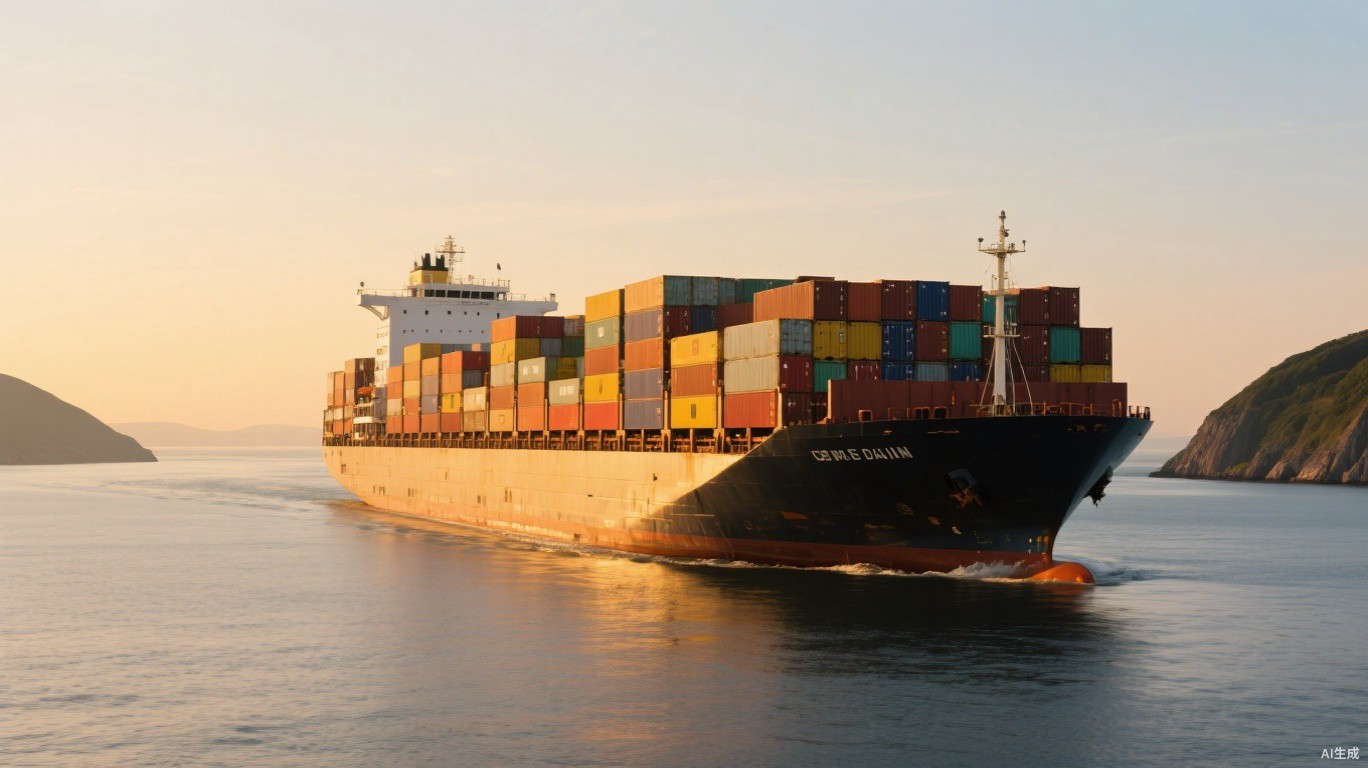
Roughly four-fifths of the world's traded goods by volume travel by sea at some point in their journey. The sneakers in a shop window, the coffee beans in a supermarket and the components inside a laptop have very likely crossed an ocean in a steel box. Yet the routes those boxes follow, and the costs attached to them, remain largely invisible to the people who ultimately pay for them.
Understanding how ocean freight works helps explain why prices for some products jump suddenly, why delivery dates slip, and why governments pay close attention to a handful of narrow waterways thousands of miles away.
The Chokepoints That Matter
Global shipping is concentrated along a small number of corridors. Vessels moving between Asia and Europe typically pass through the Strait of Malacca, the Red Sea and the Suez Canal. Ships linking Asia with the eastern United States often use the Panama Canal. Energy cargoes rely heavily on the Strait of Hormuz and the Bosporus.
These passages are efficient because they shorten voyages dramatically. A ship that cannot use the Suez Canal, for example, may need to sail around the Cape of Good Hope, adding thousands of nautical miles and well over a week to a typical Asia-to-Europe trip. That extra distance means more fuel, more crew time and fewer round trips a ship can complete in a year.
When any chokepoint is disrupted, whether by drought lowering water levels, a grounded vessel or regional security concerns, the effect is felt quickly across the network. Ships bunch up, schedules break down, and empty containers end up in the wrong places.
What Goes Into the Price of a Container
Freight rates are often quoted as the cost to move one 40-foot container between two ports. That figure bundles together a surprising number of elements:
- Fuel, which is usually the largest operating expense and is often passed on through surcharges.
- Port and canal fees, charged for berthing, handling and transit.
- Insurance, which can rise sharply for routes considered higher risk.
- Equipment positioning, the cost of moving empty containers back to where exporters need them.
- Inland transport, the trucking or rail leg from port to warehouse.
Because so many variables are involved, rates can swing far more than most consumer prices. During periods of severe congestion earlier this decade, spot rates on some major lanes rose several-fold within months before falling back again.
From Freight Bill to Store Shelf
It is tempting to assume that a doubling of shipping costs means a doubling of retail prices, but the relationship is more modest. For many goods, ocean freight represents only a small share of the final price. A container can hold thousands of pairs of shoes or several thousand small appliances, spreading the cost thinly across each unit.
The impact is larger for bulky, low-value items such as furniture, garden equipment and some building materials, where freight is a bigger share of the total. It also shows up in less obvious ways: retailers facing uncertainty may hold more inventory, which ties up cash and warehouse space, and those costs eventually filter into pricing.
Customers never see the freight invoice, but they feel it in the gaps on the shelf before they feel it in the price.
A procurement manager at a mid-sized European homewares retailer
Timing matters too. Many importers sign annual contracts with carriers, so a spike in spot rates may take months to appear in shop prices, and a decline may take just as long to show up.
How the Industry Is Adapting
Shipping companies, ports and retailers have spent recent years trying to make supply chains less fragile. Common strategies include:
- Diversifying sourcing, so that goods come from several countries rather than one.
- Nearshoring, moving some production closer to end markets to shorten routes.
- Holding buffer stock of critical items instead of relying entirely on just-in-time delivery.
- Investing in port automation and data sharing to reduce waiting times.
At the same time, the industry faces pressure to cut emissions. International rules are pushing shipowners toward cleaner fuels and more efficient vessels, and some carriers are experimenting with slower sailing speeds to save fuel. These changes may add costs in the short term even as they aim to reduce environmental impact over time.
What It Means for Households
For most shoppers, the practical takeaway is that shipping disruptions tend to show up first as limited availability and longer delivery times, and only later, and more mildly, as higher prices. Large purchases that rely on imported goods, such as furniture or appliances, are the most sensitive.
Watching broad freight trends will not help anyone time a sofa purchase precisely. But knowing that a canal closure or a congested port on the other side of the world can affect a local store helps explain why the global economy sometimes feels so close to home.
This article is for general information only and reflects reporting at the time of publication. Spotted an error? See our Corrections Policy or contact the newsroom.
Eleanor Hayes
Eleanor Hayes leads the Meridian Daily newsroom. Over two decades she has reported from more than thirty countries as a foreign correspondent and wire-service editor, with a focus on migration, trade and climate adaptation. She oversees our editorial standards and corrections process.
Related Stories
More World → World
Running Dry: How Cities Around the World Are Responding to Water Scarcity
Growing populations, aging pipes and shifting rainfall are straining urban water supplies. Cities from southern Africa to the American Southwest are testing new ways to stretch every drop.
 World
Sleeping Their Way Across a Continent: The Return of Europe’s Night Trains
After decades of decline, overnight rail services are expanding again in Europe. Travelers are drawn by comfort and lower emissions, but operators still face tough economics.
 World
Holding the Line: How Small Island Nations Are Adapting to Rising Seas
For low-lying island states in the Pacific, Indian Ocean and Caribbean, sea-level rise is a present-day planning challenge. Their responses blend engineering, nature and diplomacy.