What’s in the Basket: How Food Prices Affect Household Budgets Worldwide
Food takes a far bigger bite out of some household budgets than others. A look at why grocery prices move, who feels it most, and practical ways families are adapting.


Few prices are felt as directly as the cost of food. A rise in grocery bills shows up immediately in the weekly shop, and unlike many other expenses, eating cannot be postponed. Yet the way food prices affect families differs enormously from one country to another, and even between neighborhoods in the same city.
Understanding what drives food costs, and why some households are far more exposed than others, helps make sense of an issue that consistently ranks among people's top economic concerns.
A Very Different Share of the Budget
In wealthier economies such as the United States, Canada and much of Western Europe, households typically spend a relatively small share of their income on food eaten at home, often around a tenth or less. In many lower-income countries, the share can be several times higher, with some families devoting half or more of their spending to food.
That difference matters. When the price of staples rises, a family that spends a small portion of its income on food may cut back on restaurant meals or switch brands. A family that already spends most of its income on food has far fewer options and may have to reduce the quantity or nutritional quality of what it eats.
Even within wealthy countries, lower-income households spend a larger share of their budgets on groceries than higher-income ones, so food inflation tends to hit them hardest.
What Moves the Price of Food
Food prices are influenced by a long chain of factors, many of which have little to do with what happens in the supermarket itself:
- Weather and harvests. Droughts, floods and heat waves can reduce yields of grains, fruit and vegetables.
- Energy costs. Fuel powers farm machinery, transport and refrigeration, and natural gas is a key input for fertilizer.
- Currency movements. Countries that import much of their food can see prices rise when their currency weakens.
- Trade policies. Export restrictions or tariffs can tighten supplies in global markets.
- Labor and processing. Wages, packaging and retail costs make up a large part of the final price in many countries.
- Animal and plant disease. Outbreaks can sharply reduce supplies of products such as eggs or poultry.
Because so many elements are involved, the price a farmer receives is often only a fraction of what the shopper pays. This is one reason why a fall in global commodity prices does not always translate quickly into cheaper groceries.
When wheat prices fall, people expect bread to get cheaper the next week. But flour is only one part of the loaf. There is also the baker, the energy, the rent and the delivery van.
An agricultural economist who studies food supply chains
How Households Are Adapting
Faced with higher grocery bills, families around the world tend to adjust in similar ways. Surveys in many countries suggest common strategies include:
- Switching to store brands or lower-cost alternatives.
- Buying in bulk when storage allows.
- Planning meals more carefully to reduce waste.
- Cooking more at home and eating out less.
- Shopping at discount retailers or local markets.
Some of these changes can have lasting benefits. Reducing food waste, for example, saves money and lowers environmental impact. Others are more concerning, particularly when families replace fresh produce and protein with cheaper, less nutritious options.
The Role of Public Policy
Governments use a range of tools to cushion the impact of rising food prices. Social protection programs, such as cash transfers and food assistance, can help vulnerable households maintain their diets. School meal programs ensure that children receive at least one nutritious meal a day.
Some countries subsidize staple foods or cap their prices, though economists often caution that broad subsidies can be costly and may discourage local production. Investment in agricultural research, irrigation, storage and rural roads is widely seen as a longer-term way to make food more affordable and supplies more resilient.
International organizations also monitor food security closely, providing early warnings when harvests fail or prices spike in vulnerable regions.
Practical Tips for Stretching a Grocery Budget
While individual households cannot control global markets, a few habits can help manage costs:
- Make a shopping list based on a weekly meal plan, and stick to it.
- Compare unit prices rather than package prices.
- Buy seasonal produce, which is often cheaper and fresher.
- Use frozen fruits and vegetables, which retain nutrients and reduce waste.
- Store food properly and use leftovers creatively.
The Bigger Picture
Food prices will continue to fluctuate with weather, energy markets and global events. What matters most for families is resilience: stable incomes, effective safety nets and food systems able to absorb shocks. The contents of a grocery basket may look simple, but they reflect a vast and interconnected global system that touches every household on the planet.
This article is for general information only and reflects reporting at the time of publication. Spotted an error? See our Corrections Policy or contact the newsroom.
Eleanor Hayes
Eleanor Hayes leads the Meridian Daily newsroom. Over two decades she has reported from more than thirty countries as a foreign correspondent and wire-service editor, with a focus on migration, trade and climate adaptation. She oversees our editorial standards and corrections process.
Related Stories
More World →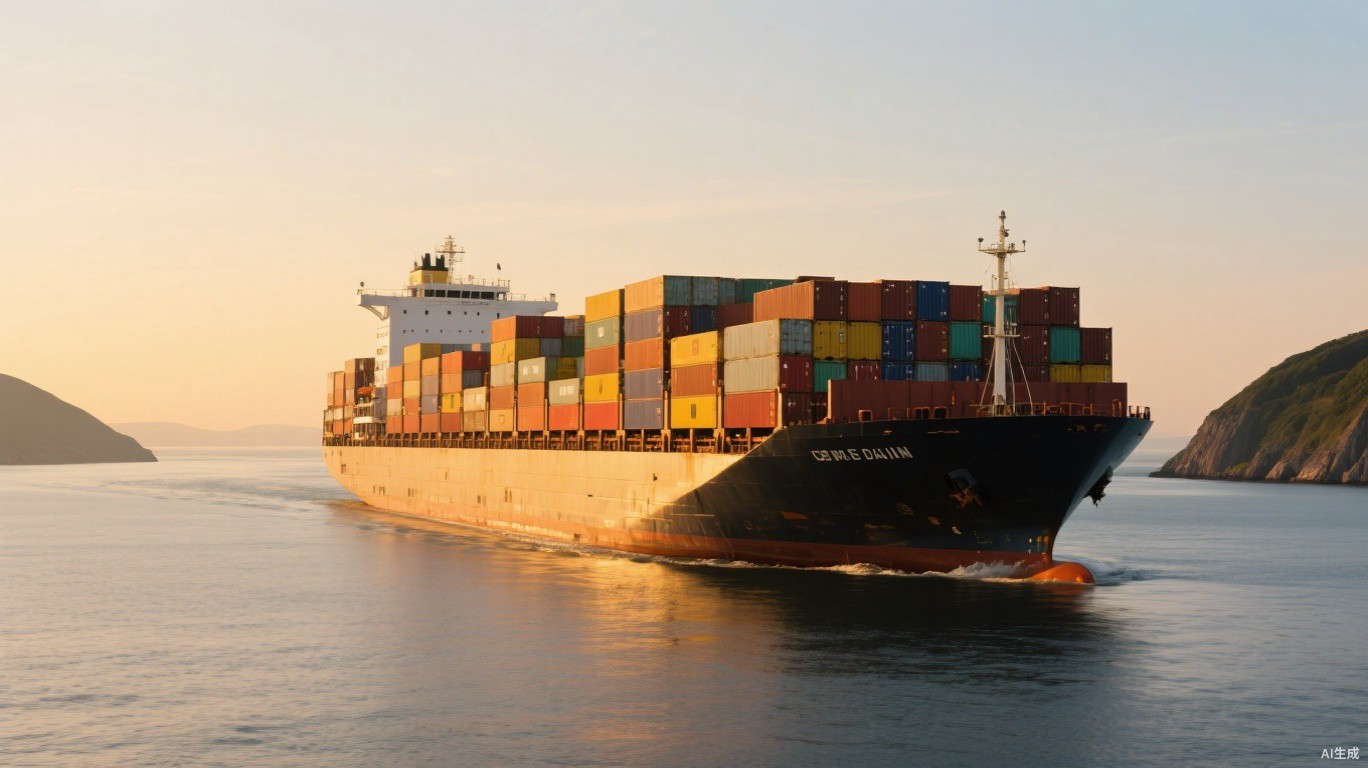 World
How Global Shipping Routes Shape What You Pay at the Checkout
From narrow straits to congested ports, the paths container ships take ripple through to store shelves. Here is how ocean freight works and why its costs reach households.
 World
Running Dry: How Cities Around the World Are Responding to Water Scarcity
Growing populations, aging pipes and shifting rainfall are straining urban water supplies. Cities from southern Africa to the American Southwest are testing new ways to stretch every drop.
 World
Sleeping Their Way Across a Continent: The Return of Europe’s Night Trains
After decades of decline, overnight rail services are expanding again in Europe. Travelers are drawn by comfort and lower emissions, but operators still face tough economics.